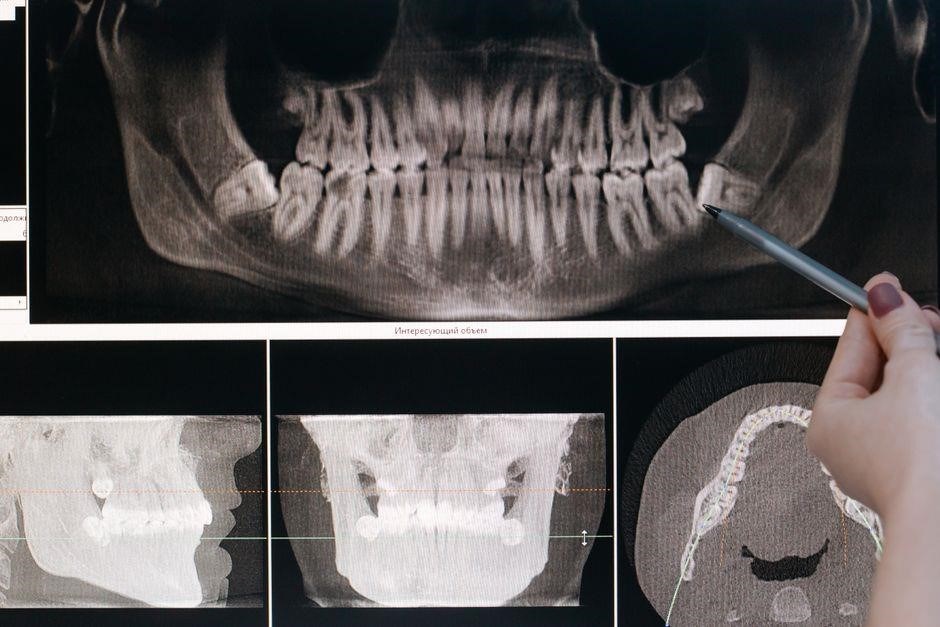
Post-op instructions for tooth extraction in Spanish are crucial for a smooth recovery. Understanding the process and
following instructions is key to avoiding complications.
Importance of Following Post-Op Instructions
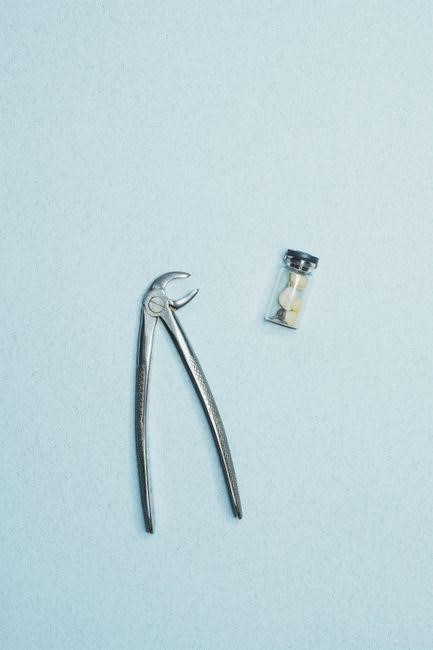
Following post-op instructions for tooth extraction in Spanish is essential for a successful recovery. It helps prevent infections, promotes healing, and reduces the risk of complications.
Proper care can minimize discomfort and pain, allowing patients to resume daily activities quickly.
Adhering to instructions also helps maintain the blood clot, which is vital for the healing process.
- Reduces risk of dry socket
- Minimizes swelling and bleeding
- Promotes healthy gum tissue
By following post-op instructions, patients can ensure a smooth and uncomplicated recovery from tooth extraction.
It is crucial to understand the importance of these instructions to achieve optimal results.
Patients should always follow the instructions provided by their dentist or oral surgeon.
Understanding Tooth Extraction
Tooth extraction is a common procedure where a tooth is removed from the mouth. It’s often necessary due to decay, injury, or overcrowding.
Reasons for Tooth Extraction
There are several reasons why a tooth may need to be extracted, including
- Decay: When a tooth is severely decayed and cannot be saved
- Injury: When a tooth is damaged due to trauma
- Overcrowding: When there is not enough space in the mouth for all the teeth
- Gum disease: When the gums and bone that support the tooth are infected
These are just a few examples of why a tooth may need to be extracted. It’s always best to consult with a dentist to determine the best course of treatment. Additionally, impacted teeth, cracked teeth, and periodontal disease can also lead to tooth extraction. Each case is unique and requires a thorough evaluation by a dental professional. By understanding the reasons for tooth extraction, individuals can better prepare themselves for the procedure and its aftermath, including the importance of following post-operative instructions to ensure a smooth and successful recovery. Furthermore, being aware of the reasons for tooth extraction can help individuals take preventive measures to avoid the need for extraction in the first place, such as practicing good oral hygiene and scheduling regular dental check-ups.
Tooth Extraction Procedure
The tooth extraction procedure typically involves a series of steps, including
- Preparation: The patient is prepared for the procedure by administering a local anesthetic
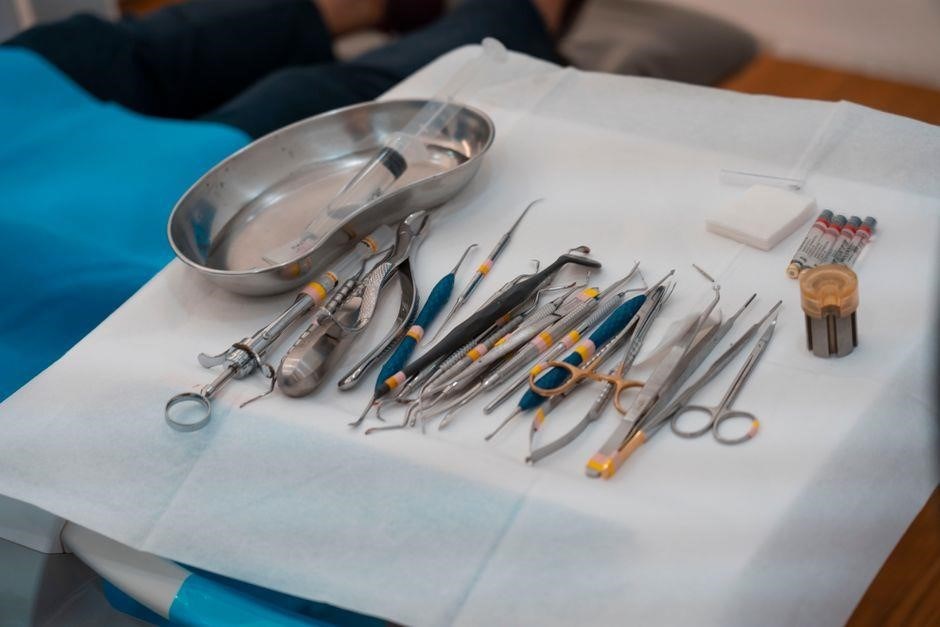
- Extraction: The tooth is loosened and removed using a specialized tool
- Hemostasis: The bleeding is controlled and the site is cleaned
The procedure can be performed under local anesthesia or conscious sedation, depending on the individual’s needs. The dentist will explain the procedure and answer any questions the patient may have. Additionally, the extraction site may be closed with stitches or left to heal on its own. The entire process is typically completed within a short period of time, and the patient can expect to feel some discomfort during and after the procedure. The goal of the procedure is to remove the tooth safely and efficiently, while also minimizing any potential complications. The dentist will monitor the patient’s progress and provide guidance on how to care for the extraction site after the procedure;

Post-Op Instructions
After tooth extraction, follow instructions for a smooth recovery, including rest, medication, and proper wound care.
Maintaining the Blood Clot
Maintaining the blood clot is crucial for healing. To do this, avoid smoking, straw usage, and heavy exercise.
Also, eat soft foods and avoid hot liquids for 24 hours.
- Gently rinse with salt water
- Avoid spitting or swallowing blood
Follow these steps to ensure proper healing and reduce the risk of complications. By doing so, you can promote a smooth recovery and minimize the risk of infection or other issues. Remember to consult your dentist if you have any questions or concerns about maintaining the blood clot.
Rest and Recovery
After a tooth extraction, it’s essential to rest and recover properly. Avoid strenuous activities and heavy lifting for 24-48 hours.
Elevate your head while sleeping to reduce swelling.
- Take pain medication as directed
- Apply cold compresses to reduce swelling
- Stay hydrated by drinking plenty of water
Follow these steps to ensure a smooth recovery and minimize the risk of complications. Remember to listen to your body and rest when needed. Proper rest and recovery are crucial for healing and reducing the risk of infection or other issues. By following these guidelines, you can promote a healthy recovery and get back to your normal activities as soon as possible.
Pain Management
Pain management is a crucial part of recovery after tooth extraction. Over-the-counter pain medications such as ibuprofen or acetaminophen can be effective in managing pain.
Follow the instructions provided by your dentist or pharmacist for dosing and administration.
- Take pain medication as directed to stay ahead of pain
- Use cold compresses or ice packs to reduce swelling and ease pain
- Avoid chewing or biting on the affected area to prevent irritation
Additionally, topical anesthetics or desensitizing toothpaste can be used to numb the area and reduce sensitivity. It’s essential to monitor your pain levels and adjust your pain management plan as needed. By staying on top of pain management, you can ensure a more comfortable and smooth recovery. Remember to consult your dentist if you experience any severe or persistent pain.
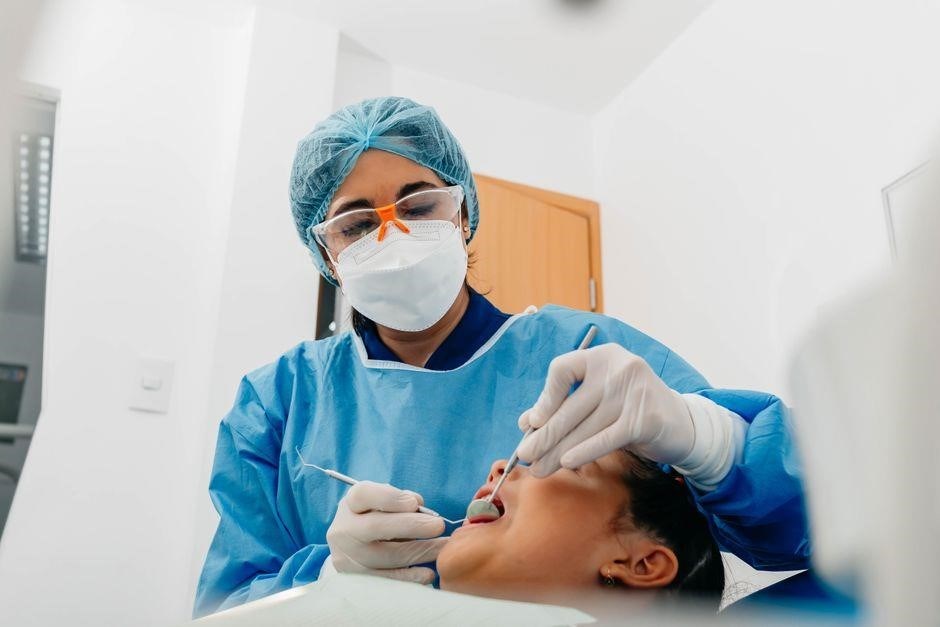
Spanish Language Post-Op Instructions
Spanish language instructions are essential for patients who speak Spanish as their primary language.
Clear instructions can help ensure a smooth recovery.
General Instructions in Spanish
General instructions in Spanish include resting and avoiding strenuous activities. Patients should follow a soft food diet and avoid hot liquids.
It is essential to keep the head elevated to reduce swelling. Spanish language instructions can help patients understand the importance of proper care.
- Avoid smoking and alcohol consumption.
- Take medications as directed.
Clear instructions can help patients recover quickly and safely. Patients should contact their dentist if they have questions or concerns. Spanish language support can help patients feel more comfortable and informed.
Medication Instructions in Spanish
Medication instructions in Spanish are crucial for proper healing. Patients should follow the medication schedule as directed by their dentist.
Spanish language instructions can help patients understand the importance of taking medications as prescribed.
- Take pain medication as directed to manage discomfort.
- Follow the antibiotic regimen to prevent infection.
Clear instructions can help patients avoid complications and ensure a smooth recovery. Patients should contact their dentist if they have questions or concerns about their medication. Spanish language support can help patients feel more comfortable and informed about their medication instructions.
Additionally, patients should read and understand the medication labels and instructions provided in Spanish.

Common Complications and Solutions
Common complications include infection and dry socket.
Solutions involve antibiotics and follow-up care.
Managing Bleeding and Swelling
After tooth extraction, bleeding and swelling are common. To manage, apply cold compresses to the affected area for 15-20 minutes.
Elevate the head while resting to reduce swelling.
- Use gauze to absorb bleeding
- Avoid strenuous activities
- Follow post-op instructions carefully
Monitor bleeding and swelling closely, seeking medical attention if excessive.
Spanish-speaking patients should understand the importance of following instructions to ensure proper healing.
Additional tips include avoiding hot liquids and hard foods to prevent dislodging the blood clot.
By following these steps, patients can effectively manage bleeding and swelling after tooth extraction, promoting a smooth recovery.
Dealing with Dry Socket and Infection
Dry socket and infection are potential complications after tooth extraction.
Symptoms of dry socket include severe pain, bad breath, and an unpleasant taste.
- Avoid smoking and drinking through a straw
- Rinse with salt water to reduce bacteria
- Take antibiotics as prescribed
Infection can be treated with antibiotics and good oral hygiene.
Spanish-speaking patients should be aware of the importance of monitoring their condition and seeking medical attention if symptoms persist.
Additional measures include applying topical treatments and using a soft-bristled toothbrush to promote healing.
By following these steps and seeking medical attention when necessary, patients can effectively deal with dry socket and infection, ensuring a successful recovery from tooth extraction.
It is essential to follow post-op instructions carefully to prevent these complications.
Understanding the risks and taking proactive measures can help patients avoid dry socket and infection.