The Quest for the Unknown American PDF
Embark on a digital expedition to uncover the elusive ‘Unknown American’ PDF․ Use targeted keyword searches, library portals, and open‑access repositories․ Verify authenticity through author credentials and publication dates, then download responsibly, ensuring the file remains accessible for future readers․!

Search Strategies
When hunting for a free PDF of “Unknown American,” start by refining your query․ Use specific keywords: author’s full name, exact title, publication year․ Combine with terms like “full‑text PDF,” “open‑access,” or “public domain․” Search engines such as Google, Bing, or DuckDuckGo can surface results from academic databases, digital libraries, and community‑driven sites․
Employ advanced operators: put the title in quotes for exact matches, use the minus sign to exclude irrelevant results, and add site:edu or site:org to target institutional repositories․ This narrows the results to credible sources․
Specialized bibliographic portals like WorldCat aggregate holdings worldwide; searching the title shows which libraries have the physical or digital copy․ The Internet Archive and Project Gutenberg host millions of public‑domain works; a quick search may return a downloadable PDF․
Academic repositories such as JSTOR, ResearchGate, or Academia․edu sometimes host author‑uploaded PDFs․ If the book is not public domain, authors may still share a pre‑print or chapter excerpt․ Use the author filter to locate the specific individual and check the file type․
Finally, contact the publisher or author․ Presses or independent writers often share a PDF for academic or non‑commercial use․ A brief email explaining your research purpose can yield a free, legitimate download! today now
Evaluating Source Credibility
Ensuring the PDF you download is trustworthy is crucial․ Begin by checking the domain: institutional sites (e․g․, ․edu, ․gov, or established university repositories) typically host vetted materials․ Public‑domain archives like Project Gutenberg or the Internet Archive maintain strict quality controls, so PDFs from these sources are reliable․ Next, examine the author’s credentials․ A recognized scholar or a publisher with a reputable imprint signals legitimacy․ Look for biographical information, academic affiliations, or a bibliography that corroborates the work’s authenticity․ If the PDF originates from a commercial publisher, verify that it matches the publisher’s official catalog or a licensed distributor’s listing․ Pay attention to the file’s metadata: the creation date, author field, and document title should align with known publication details․ Inconsistencies may hint at a counterfeit or altered copy․ Cross‑reference the PDF’s content with other reputable sources—library catalogs, ISBN databases, or scholarly reviews—to confirm that the text matches the original edition․ Finally, consider the PDF’s usage rights․ A clear statement of public‑domain status or a Creative Commons license (e․g․, CC‑BY) indicates that the file is legally shareable․ If the rights are ambiguous, err on the side of caution and seek an alternative source or contact the rights holder for clarification․ By systematically verifying domain authority, author credibility, metadata accuracy, and licensing transparency, you can confidently download and use the “Unknown American” PDF without compromising academic integrity or violating copyright law․
When in doubt, consult a librarian or subject‑matter expert․ Librarians can verify a PDF’s authenticity․ If the file comes from a community site, check the uploader’s profile, comments, and links to official sources․ A audit trail of source links and timestamps strengthens confidence in the PDF’s provenance!!

Historical Context of ‘Unknown American’ Literature
Early 20th‑century American writers often remained on the margins, chronicling frontier life, immigrant hardships, and urban anonymity․ Their nuanced narratives, once overlooked, now surface in digital archives, enriching literary studies and offering insights into the nation’s cultural tapestry for all!!․
Early 20th Century American Writers
During the early decades of the twentieth century, a wave of American authors emerged who captured the complexities of a rapidly changing society․ These writers, often operating on the fringes of mainstream literary recognition, chronicled the lives of immigrants, the rise of industrial capitalism, and the shifting cultural landscapes of urban and rural America․ Their narratives, rich in social critique and vivid realism, addressed themes of class struggle, gender dynamics, and the search for identity in a nation grappling with its own myths and contradictions․ Despite limited commercial success at the time, their works have gained scholarly attention for their authentic portrayal of marginalized voices and their contribution to the evolution of American literary modernism․ Today, many of these texts have been digitized and made freely available in PDF format through public domain repositories, university archives, and dedicated literary preservation projects․ This accessibility not only democratizes literary scholarship but also invites contemporary readers to engage with historical perspectives that continue to resonate in contemporary discussions about culture, society, and the American experience․
These digitized collections preserve the original inked words and provide metadata that contextualizes each work within its historical moment․ Scholars can cross‑reference publication dates, author biographies, and contemporaneous reviews, enabling richer analyses of thematic evolution and cultural impact․ They will key ․
Modern Reinterpretations
Contemporary authors and scholars have revisited the themes of the early twentieth‑century “Unknown American” narrative, offering fresh lenses that resonate with today’s cultural dialogues․ By re‑imagining the original text through speculative fiction, graphic novels, and interactive digital media, creators highlight the persistent relevance of class disparity, identity politics, and the myth of the American Dream․ These modern adaptations often employ multimedia elements—augmented reality overlays, embedded audio interviews, and hyperlinked footnotes to deepen reader engagement and contextualize historical events within present‑day frameworks․ Moreover, the rise of open‑access publishing platforms has democratized the distribution of these reinterpretations, allowing independent voices to circulate freely in PDF format across global networks․ The synergy between academic critique and creative experimentation has fostered interdisciplinary collaborations that bridge literary studies, cultural anthropology, and digital humanities․ Consequently, the “Unknown American” narrative has evolved from a niche historical artifact into a living dialogue that invites continuous reexamination, ensuring its enduring presence in both scholarly discourse and popular imagination․ Through digital archives, readers can annotate, remix, and share these works, ensuring that the dialogue between past and present continues to evolve, inviting scholars, artists, and the public to reinterpret the narrative in ways that reflect contemporary values and challenges today․!

Legal Considerations for Free PDF Distribution
Distributing the Unknown American PDF for free requires careful attention to copyright law․ Verify that the text is public domain or licensed under Creative Commons․ If it remains under copyright, obtain explicit permission or rely on fair use, ensuring no infringement occurs․Check local laws for safe sharing․!

Copyright Law Basics
Copyright law governs the legal protection of original works, including literary texts․ In most jurisdictions, the author automatically holds exclusive rights upon creation, covering reproduction, distribution, public performance, and derivative works․ These rights persist for a statutory period—often the life of the author plus 70 years—after which the work enters the public domain and can be freely shared․ When seeking to distribute a PDF of a book, it is essential to confirm whether the text is still under copyright․ If the author died more than 70 years ago, the work is likely public domain; however, translations, editorial revisions, or new cover art may introduce fresh copyright layers․ Additionally, some countries apply a 50-year rule or offer shorter terms for certain categories of works․ The U․S․ Digital Millennium Copyright Act (DMCA) also imposes restrictions on circumvention of digital rights management (DRM) and on providing tools that facilitate infringement․ Even if a text is public domain, the PDF format itself may contain metadata or embedded fonts that are copyrighted․ Therefore, when creating a free PDF, it is advisable to use open-source fonts and remove any proprietary metadata․ Fair use provisions allow limited copying for criticism, commentary, news reporting, teaching, scholarship, or research, but the scope is narrow and context-dependent․ Courts evaluate the factors such as the purpose of use, the nature of the work, the amount used, and the effect on the market․ For a truly free distribution, the safest path is to source the text from a reputable public domain repository, verify the status with authoritative databases, and license the PDF under a Creative Commons Attribution (CC‑BY) or public domain dedication (CC‑0)․ This ensures that downstream users can reuse, remix, and redistribute the material without legal risk․ Finally, always document the provenance of the source, including publication dates, author information, and any licensing statements, to provide transparency and protect against future disputes․ The process of verifying public domain status can be streamlined by consulting national copyright registries, digital libraries, and specialized legal databases, which often provide definitive answers and historical context․ Proceed․ OK․
Public Domain vs․ Creative Commons
Public domain status means that the original copyright has expired or never applied, allowing anyone to reproduce, distribute, or modify the work without seeking permission․ In the United States, works published before 1926 are generally in public domain, while works created after that date may still be protected for several decades․ Creative Commons (CC) licenses, on the other hand, provide a flexible framework for authors to retain copyright while granting specific permissions to the public․ The most common CC licenses—such as CC‑BY, CC‑BY‑SA, CC‑BY‑NC, and CC‑BY‑ND—specify whether attribution is required, whether derivatives are allowed, and whether commercial use is permitted․ For a free PDF of the “Unknown American” text, the safest route is to locate a version that is either in public domain archive or released under a CC‑BY license, which permits redistribution as long as the original author is credited․ If the text is still under copyright, the author or publisher may grant a CC license that restricts commercial use but allows free sharing․ When converting a public domain or CC‑licensed text into a PDF, it is important to preserve the original metadata, including title, author, publication date, and license information, so that future users can verify the legal status․ Additionally, embedding a license statement within the PDF file itself—either in the document properties or as a visible notice on the first page—helps maintain compliance and transparency․ Finally, it is prudent to consult official copyright databases or the author’s website to confirm the exact license terms before distributing the PDF to avoid inadvertent infringement․
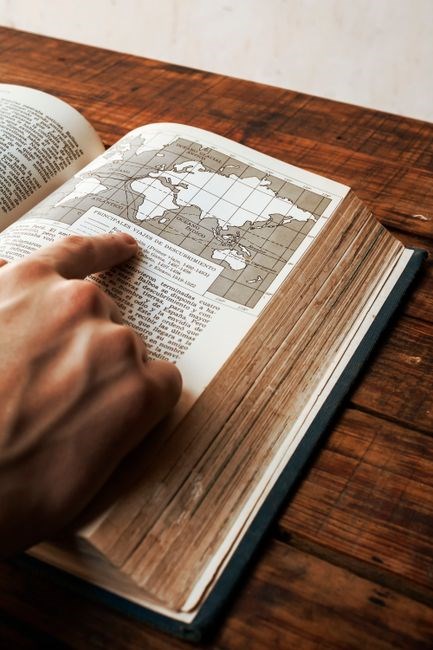
Finding the PDF: Reliable Sources and Platforms
Discover trusted platforms like Project Gutenberg, Internet Archive, and Open Library․ Use advanced search filters, verify file integrity, and check license compliance․ Bookmark reputable sites, and always cite sources to respect authorship and ensure legal access These resources provide metadata for use․ Enjoy!
Academic Libraries and Digital Repositories
Academic libraries are essential for accessing rare and out‑of‑print titles, including the elusive “Unknown American” PDF․ By partnering with repositories such as the Library of Congress and archives, institutions aggregate scans, OCR‑enabled text, and metadata, simplifying discovery․ To locate the PDF, search the library’s catalog by title, author, or ISBN; if unavailable, use interlibrary loan to request a digital copy from partner libraries worldwide․ Digital repositories like JSTOR, HathiTrust, and the Digital Public Library of America expand the search space, offering free access to public‑domain works; Verify licensing status; many items are under Creative Commons or public‑domain designations, allowing unrestricted download․ University portals frequently host faculty‑generated PDFs, which may include manuscripts or early editions․ Filters can narrow results by publication date, format, and availability․ Once a suitable copy is identified, download the PDF in the highest quality setting and record the source URL and bibliographic details for citation․ This practice ensures compliance with copyright law while preserving the text for future scholars․ Institutional repositories often employ embargo periods, allowing authors to retain exclusive rights for a set time before the material becomes freely available․ Researchers should consult repository policy pages for embargo duration and renewal options․ Some libraries provide open‑access versions of theses and dissertations that can be downloaded without restriction․ When a PDF is behind a paywall, academic credentials or a library login can grant temporary access; many universities offer guest access for use․ Always respect the terms of use and avoid distributing copies beyond the permitted scope․ By leveraging these institutional tools, scholars can gather the “Unknown American” PDF while supporting online scholarship!!
Community-Driven Sharing Sites
Community-driven sharing sites act as grassroots hubs where enthusiasts swap rare literary works․ Platforms such as Project Gutenberg, Internet Archive, and Open Library host PDFs, often including titles that have slipped through commercial channels․ To find the “Unknown American” PDF, begin by searching the site’s advanced query, filtering by title, author, or keyword․ Many repositories allow downloading full‑text scans, viewable in-browser or saved locally․ Verify a file’s integrity by checking checksums or metadata․ Moderators typically flag pirated copies; rely on uploads marked public domain or Creative Commons․ If the PDF is missing, ask the community forum; contributors may share a link․ Cite sources and respect licensing terms to stay legal․
The strength of community sites lies in collaborative curation․ Users tag and categorize content, creating a searchable index that evolves with each contribution․ For obscure titles, collective knowledge of readers can uncover hidden gems․ Many communities implement a reputation system; contributors with higher trust scores are more likely to host reliable copies․ When you find a potential PDF, examine the uploader’s profile, check for multiple uploads of the same work, and look for comments regarding authenticity․ Some sites offer a “request” feature, where you can ask the community to locate a specific edition․ Some sites offer a “request” feature, where you can ask the community to locate a specific edition!!
While community sharing offers accessibility, it also demands vigilance․ Always ensure that the PDF’s license permits free distribution; many sites host works still under copyright, and downloading them may violate legal statutes․ Use the site’s licensing information, typically found in the file description or on the author’s page․ If the PDF is marked as public domain, you may download and use it․ Finally, consider contributing back: if you possess a high‑resolution scan or an improved OCR version, upload it to the platform, enriching the collective resource pool for future seekers of the “Unknown American” PDF․ By sharing, you help preserve literary heritage and support scholars, ensuring the text endures for generations ever! Your support keeps the book alive for future generations!?
Preserving and Accessing the Book for Future Generations
Store the PDF in archival formats like PDF/A, embed metadata, and back it up on multiple servers․ Use institutional repositories and open‑access platforms to ensure long‑term access, while respecting copyright and licensing terms․ Preserve․ Keep․!!
Archival Formats and Metadata
Store the PDF in archival formats like PDF/A, embed metadata, and back it up on multiple servers․ Use institutional repositories and open‑access platforms to ensure long‑term access, while respecting copyright and licensing terms․ Preserve․ Keep․!!
When preserving the free PDF of the Unknown American, the first step is to convert the document into a long‑term archival format such as PDF/A‑1b or PDF/A‑2b․ These standards lock the visual appearance and embed all necessary fonts, ensuring that the file remains readable on future operating systems․ The PDF/A format also prohibits features that could compromise integrity, essential for stability․
Next, enrich the file with comprehensive metadata․ Use the Dublin Core schema to record title, creator, subject, description, publisher, date, and language․ Add the MODS (Metadata Object Description Schema) for richer bibliographic details, including edition, physical description, and genre․ Embedding these metadata fields directly into the PDF allows discovery tools to index the document accurately, improving accessibility for researchers and archivists alike․
To further guarantee authenticity, generate a cryptographic hash (SHA‑256) of the PDF/A file and store it in a separate, tamper‑evident ledger․ This hash can be used to verify that the file has not been altered during storage or transfer․ Additionally, create a checksum file (e․g․, MD5 or SHA‑1) and publish it alongside the PDF on the repository’s download page․
Finally, register the document in a national or institutional digital repository that supports persistent identifiers such as DOIs or Handles․ Assigning a DOI to the PDF ensures that future citations will resolve to the exact archival version, preventing link rot and preserving scholarly integrity․ for future!!
Long-Term Digital Preservation Techniques
To guarantee the enduring accessibility of the free PDF of the Unknown American, institutions should adopt a multi‑layered preservation strategy․ First, store the PDF/A file on a redundant, geographically dispersed storage system, such as a combination of local servers, cloud storage, and institutional backup tapes․ Second, implement regular integrity checks using cryptographic hash functions (SHA‑256, SHA‑512) and compare the results against a master checksum file stored in a separate, tamper‑evident ledger․ Third, schedule periodic migration of the file to newer storage media and file formats, ensuring that the PDF/A remains compliant with evolving standards (e․g․, PDF/A‑3)․ Fourth, embed rich metadata—Dublin Core, MODS, and PREMIS—directly into the PDF, and register the document in a persistent identifier system such as DOI or Handle․ Fifth, create a detailed preservation plan that documents the file’s provenance, the preservation actions taken, and the responsible custodians․ Finally, engage the scholarly community by providing open access through institutional repositories, ensuring that the PDF remains discoverable and citable for future researchers․ Additionally, employ emulation techniques to recreate legacy software environments that may be required to render certain embedded media or interactive elements within the PDF․ Maintain a version control system that tracks changes to the preservation workflow, and conduct annual audits to verify that all components—storage, metadata, checksums, and access interfaces—are functioning as intended․ By integrating these practices into a cohesive preservation policy, libraries and archives can ensure that the free PDF of the Unknown American remains a reliable resource for scholars, educators, and the public for decades to come․ These measures secure the PDF now․