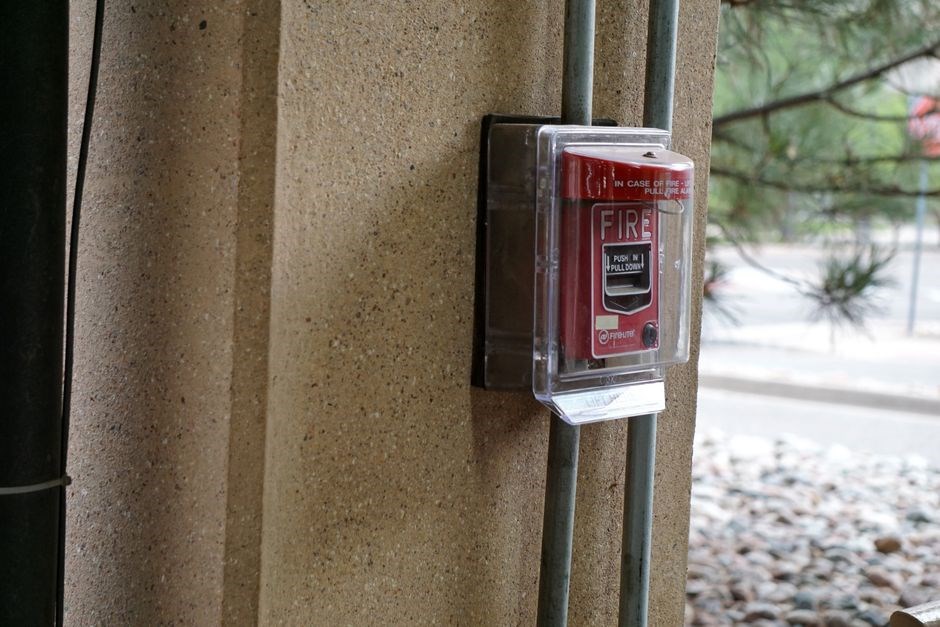
Fire alarm manual call point signs guide occupants to emergency activation points, ensuring quick response during incidents. These signs display clear icons and concise wording, complying with safety standards to protect people and businesses alike. They are essential for compliance and life safety. now.!!!?
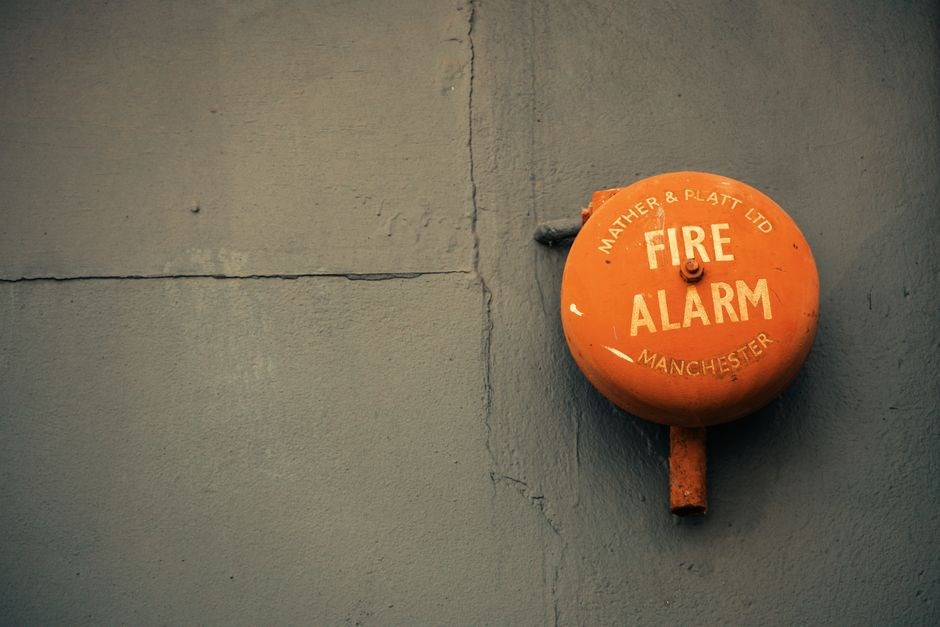
Design Standards and Regulations
Design of manual call point signs follows IBC and EN 54‑2, mandating clear symbols, color contrast, and durable materials. Compliance ensures visibility, accessibility, and legal safety, protecting occupants and meeting statutory fire safety requirements worldwide. Now.
International Building Code (IBC) Requirements
The International Building Code (IBC) establishes a framework for fire alarm call point signage that prioritizes occupant safety and regulatory compliance. Section 1013.2 mandates that every manual call point be marked with a sign that is legible from a minimum distance of 10 feet, using a high‑contrast color scheme that complies with ANSI/ISEA 627. The IBC requires the sign to display a universally recognized fire alarm icon, such as a flame or bell, accompanied by the words “Fire Alarm” in a minimum font size of 1.5 inches. Placement rules specify that signs must be mounted no higher than 6 feet from the floor and positioned within 12 inches of the call point itself. The code also stipulates that the sign material must be fire‑resistant, weather‑proof, and capable of withstanding a minimum of 2000 °F for at least 30 minutes. Additionally, the IBC requires that the sign be affixed to a surface that does not obstruct the call point’s operation, and that it be inspected annually by a qualified fire protection professional. Compliance with these IBC provisions ensures that emergency responders and occupants can quickly locate and activate fire alarms, thereby reducing risk and facilitating timely evacuation.
IBC Section 1013.3 requires all signage to be mounted on a non‑flammable substrate and that the sign’s backing be bonded to the wall with a fire‑resistant adhesive. The code also mandates annual inspection, and any damaged or faded signs must be replaced within 30 days of detection to keep call points visible and functional for safety now !
EN 54-2 Fire Alarm Systems
EN 54‑2 specifies the technical requirements for fire alarm call point signs in the European Union. The standard mandates that each sign display a clear, pictorial symbol of a fire alarm device, such as a bell or flame, in a minimum size of 50 mm high. The lettering “Fire Alarm” must be in a legible typeface, with a minimum height of 30 mm, and the overall sign must provide a contrast ratio of at least 4.5:1 against its background. EN 54‑2 also requires the sign to be affixed no more than 1 m from the call point and no higher than 1.8 m from the floor, ensuring visibility for occupants of all heights. Materials must be fire‑resistant, with a minimum rating of Class B, and the sign should be weather‑proof for outdoor installations. The standard further stipulates that the sign’s mounting surface must be stable and capable of withstanding a 10 kg impact without detaching. Regular inspections are mandated every 12 months, with any sign showing signs of wear, corrosion, or fading replaced within 30 days. Compliance with EN 54‑2 guarantees that fire alarm call point signs meet stringent European safety criteria, providing clear guidance during emergencies and facilitating swift evacuation procedures.
EN 54‑2 also requires signs to be mounted on noncombustible surfaces with 10 cm clearance from obstructions. The adhesive must resist temperatures up to 120 °C for 30 minutes. Inspections occur every 12 months, and any sign showing corrosion, fading, damage must be replaced within 30 days compliant.
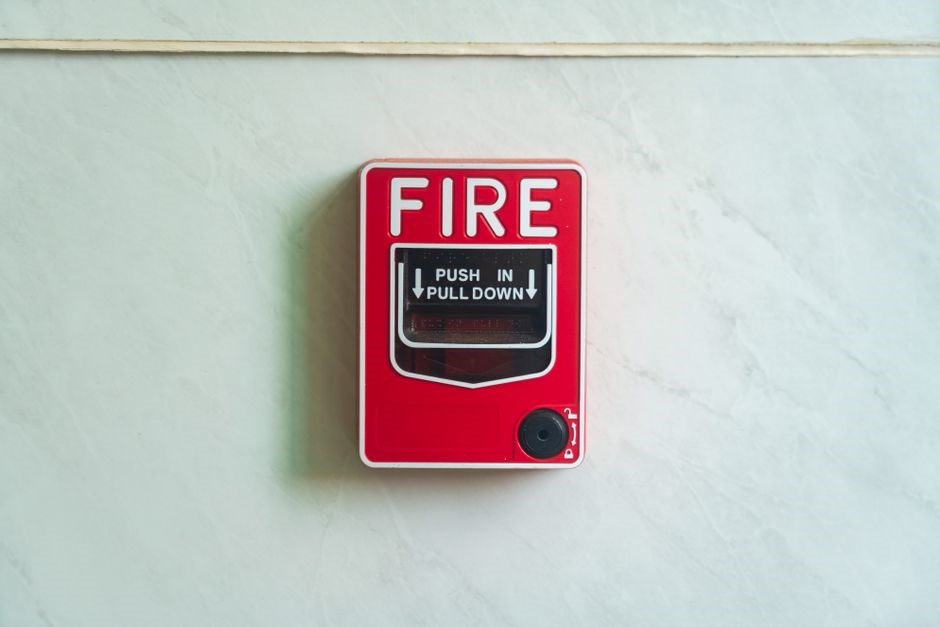
Physical Characteristics of Call Point Signs
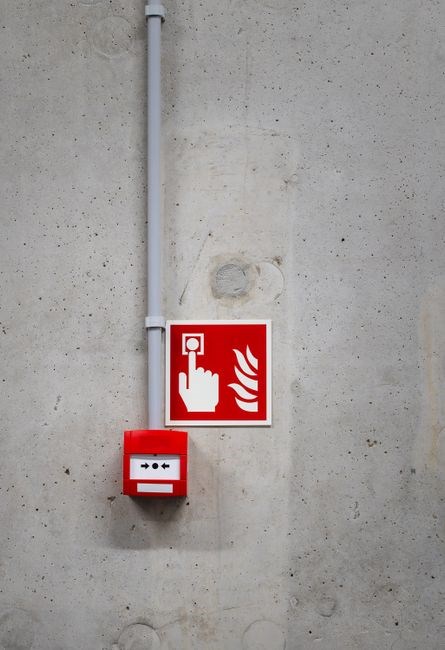
Signs feature a 50 mm high pictogram, 30 mm lettering, red or yellow background, and durable metal or PVC. They meet fire‑resistance Class B, are weather‑proof, and maintain a 4.5:1 contrast ratio for clear visibility. Ensures compliance and safety daily.!
Iconography and Symbols
The icon on a fire alarm manual call point sign is a universally recognized pictogram depicting a hand holding a fire extinguisher or a fire alarm bell. According to EN 54‑2, the symbol must be a minimum of 50 mm in height, with a 30 mm minimum line thickness to ensure legibility at a glance. The pictogram is rendered in a high‑contrast color scheme: a bright red or orange background with a white or black outline, providing a 4.5:1 contrast ratio that meets IEC 62368‑1 visibility standards. The symbol is centrally positioned on the sign, surrounded by a clear border that is at least 5 mm wide to separate it from surrounding text or graphics. The text accompanying the icon—typically “CALL POINT” or “MANUAL CALL” in bold, uppercase letters—must be no smaller than 30 mm in height and use a sans‑serif typeface such as Helvetica or Arial for maximum readability. The overall layout follows a hierarchical visual structure: the icon dominates the upper half, while the text occupies the lower half, creating a balanced composition that draws the eye quickly to the action required. The icon’s orientation is upright, with the hand pointing upward to signify activation, and the pictogram is legible from 3 m distance. The icon may include a small flame icon inside the hand to reinforce the fire context. Manufacturers often use anodized aluminum or stainless steel for the sign’s frame to resist corrosion. The icon is embossed or laser‑cut to provide tactile feedback for visually impaired users. In addition to the pictogram, many manufacturers embed a small QR code or a 2‑digit code on the sign’s backside, enabling maintenance personnel to scan for quick reference to the specific call point location in the building’s fire safety database. This integration of visual and digital identifiers enhances both human and machine readability, ensuring that occupants can locate and activate the nearest call point even in low‑light or smoke conditions. The iconography is standardized across jurisdictions, allowing international compliance and simplifying training for staff and visitors alike. By adhering to these design principles, fire alarm manual call point signs provide a clear, unambiguous visual cue that can be understood instantly, thereby reducing response times and potentially saving lives for safety.
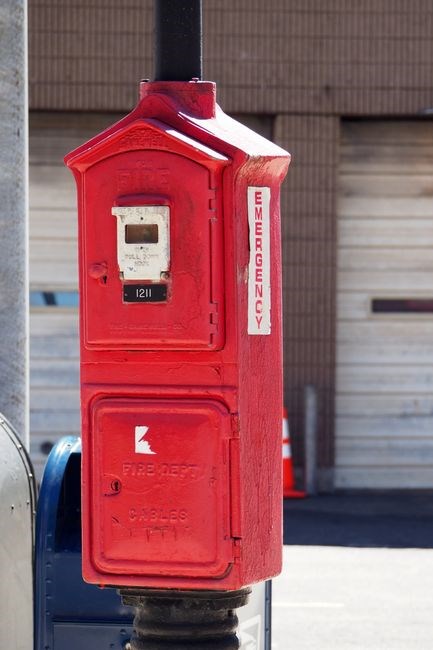
Color Coding and Visibility
For a fire alarm manual call point sign, color coding follows EN 54‑2 and ISO 7010 guidelines to guarantee instant recognition. The primary background is a saturated red (Pantone 186 C) or a bright orange (Pantone 172 C) to signal danger. The pictogram and text are rendered in high‑contrast white or black, achieving a minimum 4.5:1 luminance ratio per IEC 62368‑1. This contrast ensures legibility in daylight, artificial lighting, and low‑light conditions, including smoke‑filled environments. The sign’s border is a 5 mm thick white outline that separates the icon from surrounding wall paint, preventing visual clutter. In high‑contrast environments, a secondary 2 mm black border can be added to enhance depth perception. The color palette remains consistent across all call points within a building, allowing occupants to locate the nearest activation point without confusion. For accessibility, the sign is placed on a light‑colored wall or a contrasting background to avoid color blending. The use of a single, unmistakable color scheme also aids in automated scanning systems, where cameras detect the red or orange hue to log activation events. Finally, the sign’s reflective coating—typically a 0.5 mm silver or gold layer—provides visibility in darkness, ensuring that the icon remains visible to occupants and emergency responders even when power is out. By adhering to these color coding and visibility standards, fire alarm manual call point signs deliver clear, unambiguous cues that improve occupant safety and regulatory compliance. The regulatory framework also mandates that the sign’s color must be consistent with the building’s fire safety signage system, ensuring that the call point is immediately distinguishable from exit signs, which are typically green or blue. In multi‑storey structures, the signs are installed at a height of 1.2 m to 1.5 m above floor level, aligning with the International Building Code’s visibility requirements. The reflective coating is engineered to maintain a 30 % reflectivity at 90° incidence, allowing the sign to be seen from a distance of up to 10 m in low‑light conditions. Additionally, the sign’s material—often anodized aluminum—provides a matte finish that reduces glare, further enhancing visibility during emergency evacuations. Compliance audits verify that the color fidelity remains within ±5 % of the original hue, ensuring long‑term consistency across the facility. These meticulous color and visibility specifications collectively contribute to a robust fire safety infrastructure that protects life and property.
Fire alarm manual call point signs must meet stringent size, material, and durability criteria to guarantee visibility and resilience. The standard portrait‑style sign measures 200 mm × 300 mm, while horizontal signs are 300 mm × 200 mm, ensuring a pictogram area of at least 50 mm × 50 mm per EN 54‑2. The pictogram and text are printed in high‑contrast white on a red background, with a 0.5 mm reflective layer for night visibility. Anodized aluminum or stainless steel are the preferred substrates; anodized aluminum offers a matte finish that reduces glare, and stainless steel provides impact resistance for traffic areas. Both materials support a UV‑stable, weather‑resistant paint that meets IP 65, protecting the sign from moisture, temperature swings, and chemical exposure. Mounting brackets are corrosion‑resistant and allow a 10 mm clearance from adjacent walls to accommodate thermal expansion. Regular inspections verify that the reflective coating remains intact, the paint has not flaked, and the mounting hardware is free of rust. By adhering to these specifications, facilities ensure that call point signs remain functional, visible, and compliant with international safety regulations for at least 15 years of service life, even in harsh industrial environments.

Signs are tested for impact resistance using a 5 kg vacuum drop test at a 1 m height, ensuring the pictogram remains legible after activation. They also undergo a 5 °C to 55 °C temperature cycle to certify the reflective layer does not degrade. These tests confirm the sign withstands while complying with NFPA 101.
Installation Guidelines
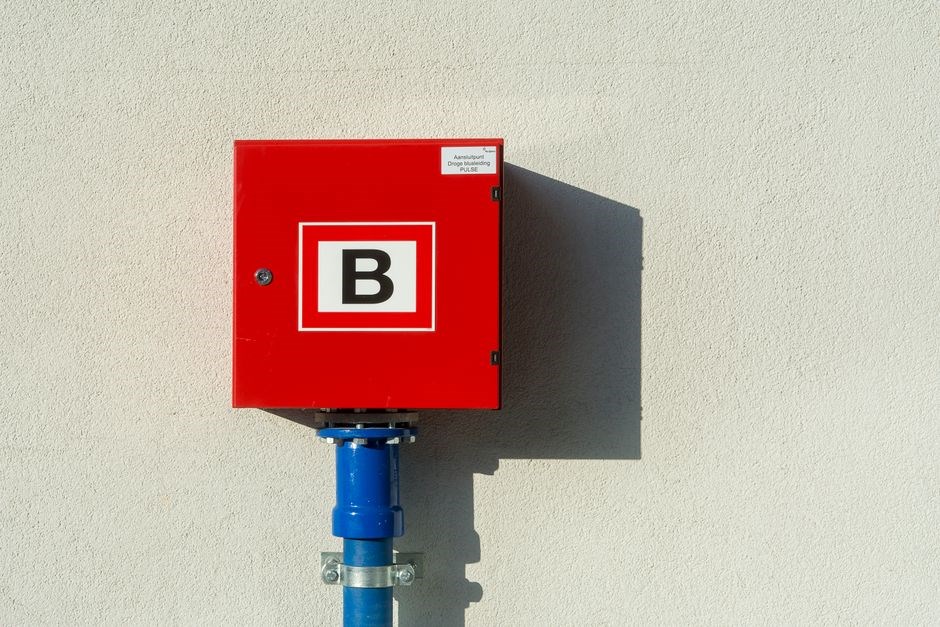
Signs should be mounted 1.2–1.5 m above floor, centered on wall, with a 10 mm clearance from adjacent fixtures. Use corrosion‑resistant brackets, secure with screws rated for the wall material. Ensure the sign faces the occupant’s line of sight and is free of obstructions. Ensure mounting meets code. now!
Location Placement Strategies
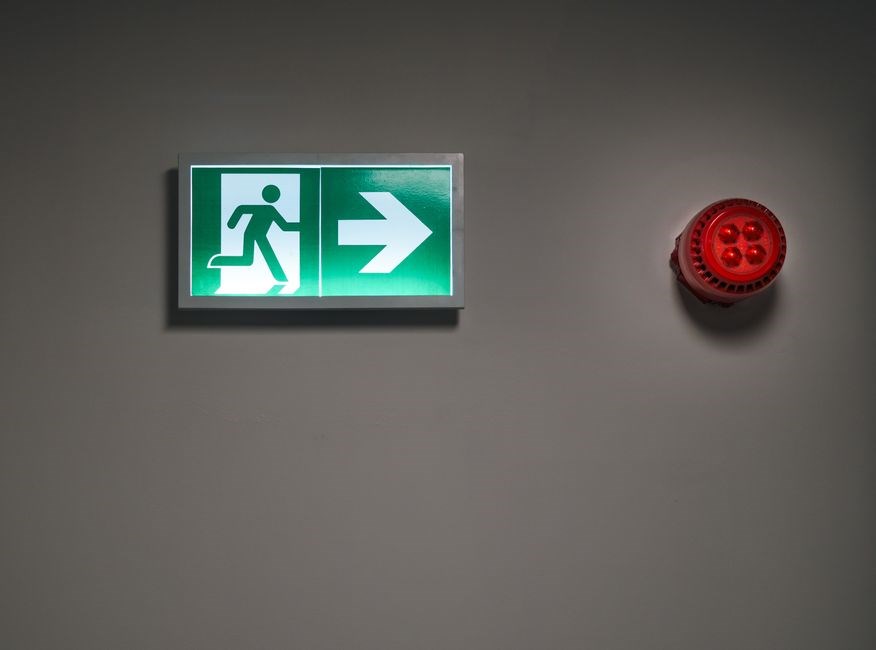
Strategic placement of fire alarm manual call point signs is critical for ensuring rapid evacuation and compliance with safety regulations. Signs must be positioned at eye level, typically 1.2 to 1.5 meters above the floor, to guarantee visibility for occupants of all heights. They should be placed within 3 meters of each exit, on the path of travel, and at key decision points such as stairwell entrances, corridor intersections, and near elevators. Avoid obstructions by ensuring a minimum clearance of 10 centimeters from walls, doors, and other fixtures. In high‑traffic areas, duplicate signs may be necessary to reduce search time. For rooms with restricted access, signs should be mounted on both the entrance and the opposite wall to provide a clear visual cue from either side. In rooms with low visibility, such as dimly lit corridors or rooms with reflective surfaces, additional illumination or reflective tape can enhance sign readability. Placement should also account for potential obstructions caused by furniture or equipment; signs should be installed in accordance with local building codes and manufacturer recommendations, ensuring that they remain accessible and unobstructed throughout the life of the building.
Optimal placement also considers building layout, ensuring signs are not hidden by furniture or signage. In high‑traffic zones, dual signs reduce response time. Compliance with local codes mandates clear sightlines and unobstructed access to every sign. All signs must remain visible. Safe.
Mounting Techniques and Height Requirements
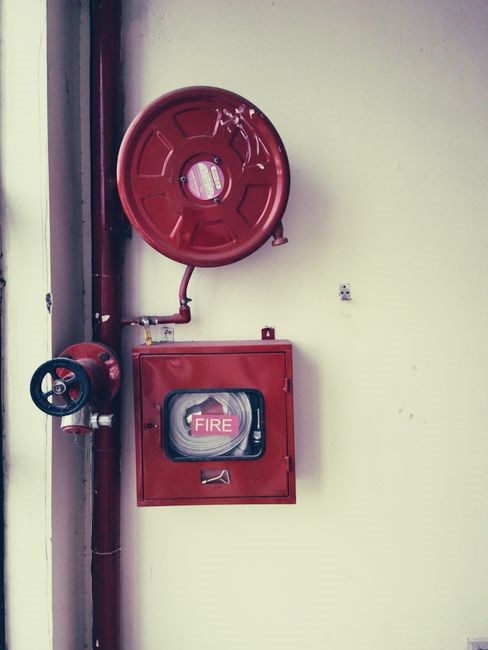
Proper mounting of fire alarm manual call point signs guarantees quick location and activation during emergencies. Signs are attached to walls or ceilings with corrosion‑resistant brackets or adhesive pads that meet manufacturer specifications. The surface must be clean, dry, and free of loose paint or debris to ensure a secure bond. Wall‑mounted signs require a minimum clearance of 10 cm from adjacent objects, while ceiling‑mounted signs should have their top edge no higher than 2.5 m above the floor to allow visibility for occupants of all heights. The sign’s centerline should align with the eye level of a 1.7‑m‑tall person, placing the sign between 1.2 m and 1.5 m from the floor. Near doors or windows, the sign must be at least 30 cm from the frame to avoid interference with door operation. All mounting hardware should be inspected annually for corrosion or loosening, and damaged components replaced immediately. Local building codes and the International Building Code (IBC) mandate a minimum shear strength of 1.5 kN for the mounting method to withstand accidental impacts. Signs should be installed so they can be removed easily during maintenance without damaging surrounding surfaces, ensuring continuous functionality. For high‑visibility zones, double‑sided signs or reflective coatings enhance nighttime readability. Adhesive mounts must be rated for the wall material and environmental conditions, such as humidity and temperature fluctuations. In industrial settings, signs may be fastened to metal studs or concrete with appropriate fasteners to meet structural load requirements. The mounting height should consider future renovations; signs should be placed at least 0.5 m below any ceiling fixtures to avoid maintenance interference. Installation records, including mounting method, height, and inspection dates, must be logged for traceability and compliance. Qualified personnel should perform the mounting, verifying correct orientation, with the icon facing the direction of travel toward the exit. Any deviation beyond tolerance should be corrected before the sign is considered operational. By following these guidelines, facilities reduce response times, improve safety outcomes, and demonstrate adherence to national and international fire safety standards. All work should be logged for audit.
Maintenance and Inspection
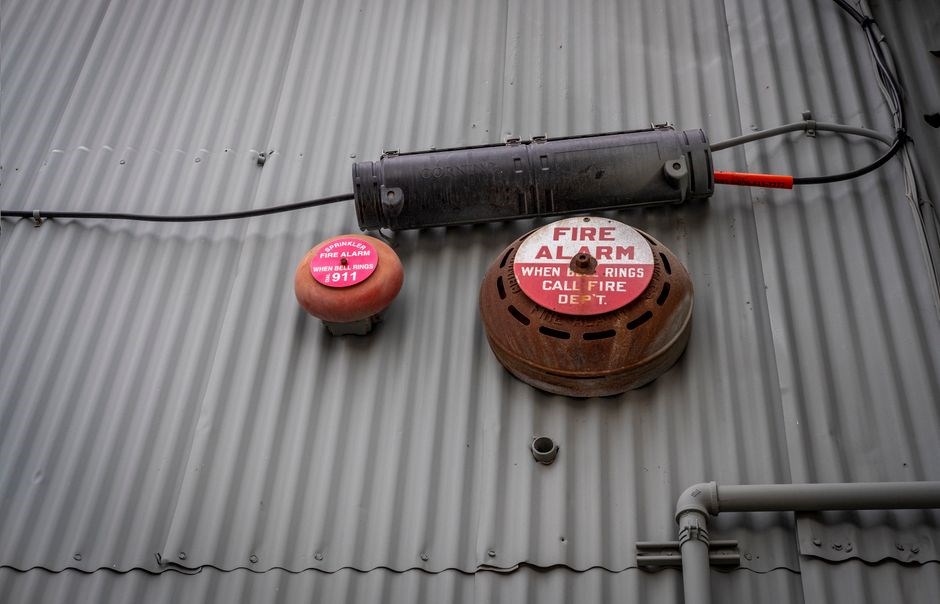
Routine checks confirm sign visibility, legibility, and mounting integrity. Inspect for corrosion, peeling paint, and secure fasteners. Verify icon clarity and reflectivity. Log findings, replace damaged parts, and schedule annual audits per code requirements.
All logged.
Routine Inspection Checklist
- Visual inspection of sign surface for cracks, corrosion, or paint loss.
- Check icon legibility and color contrast against background.
- Verify mounting brackets are secure and free of rust.
- Confirm sign is positioned at correct height and orientation.
- Test reflectivity of retro‑reflective coating under low light.
- Inspect mounting location for obstructions or signage overlap.
- Record inspection date, inspector name, and any corrective actions.
- Schedule next inspection within the required interval.
- Confirm that the sign’s reflective coating remains intact and meets minimum reflectivity standards.
- Verify that the sign’s graffiti, stickers, or other obstructions that could obscure the icon.
- Check that the sign’s mounting surface is clean and free of dust or debris that could reduce visibility.
- Ensure that the sign’s background color and lighting conditions provide adequate contrast for visibility.
- Document any environmental factors that could affect sign performance, such as moisture or temperature extremes.
All findings should be recorded in the maintenance log, and any deficiencies must be addressed promptly to maintain compliance and safety.
If the sign fails any inspection criterion, replace or repair it immediately, and update the inspection record with corrective actions taken.
Maintain a log of all inspections and corrective actions to demonstrate compliance audits.