Self-Guided Bicycle Tours in Europe: A Comprehensive Plan
Europe offers incredible self-guided cycling adventures, from luxurious Italian tours to exploring Slovenia’s bike-friendly routes and the ancient paths of the Venetian Empire.
Self-guided bicycle tours across Europe are gaining immense popularity, attracting travelers seeking immersive experiences and active exploration. These tours empower individuals and small groups to discover hidden gems at their own pace, blending physical activity with cultural immersion. Unlike traditional guided tours, self-guided options offer flexibility, allowing cyclists to tailor their itineraries to personal preferences.
The continent’s well-developed cycling infrastructure, particularly in countries like the Netherlands and Germany, makes it ideal for independent exploration. These journeys aren’t just about cycling; they’re about connecting with local life, savoring regional cuisine, and creating unforgettable memories. From the luxury of Italian routes to the historical paths of France and Spain, a diverse range of options awaits.
Popular European Countries for Cycling
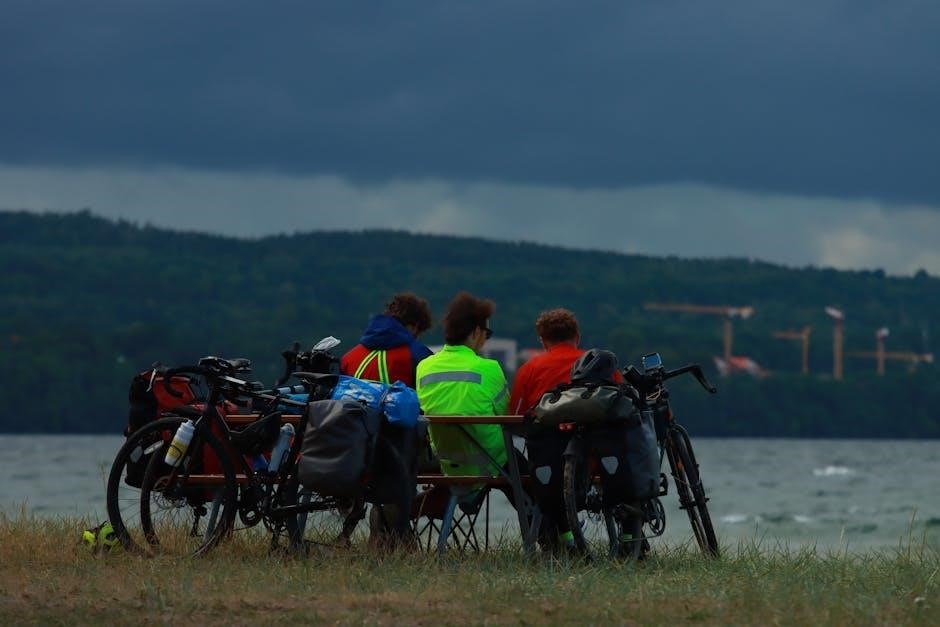
Europe boasts a diverse landscape for cycling enthusiasts, with several countries standing out as premier destinations for self-guided tours. The Netherlands, renowned for its extensive and dedicated cycling network, provides a seamless experience, despite its relatively small size. Germany’s river paths, like the Rhine and Danube, offer picturesque long-distance routes.
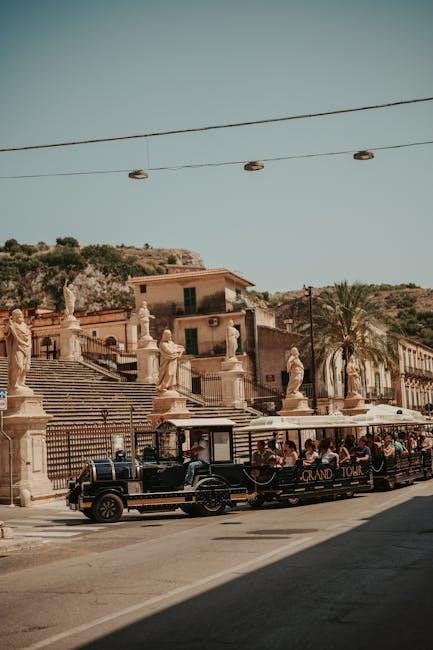
Italy combines cultural richness with luxurious touring options, recently recognized with a Luxury Lifestyle Award. France entices with routes through the Loire Valley and Provence, while Slovenia consistently ranks as one of the most bike-friendly nations in Europe, offering exceptional scenery and hospitality.
The Netherlands: Cycling Infrastructure & Routes
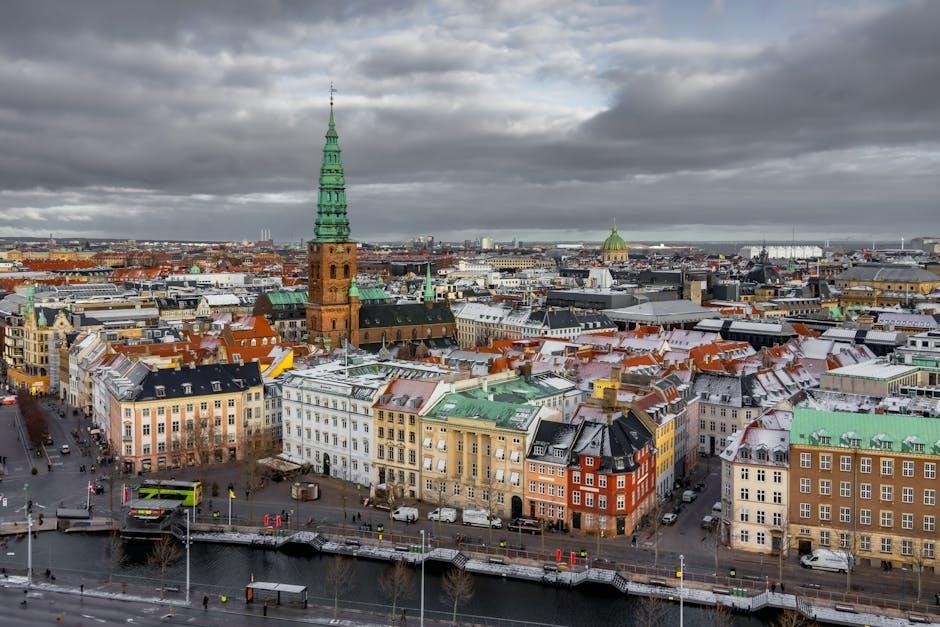
The Netherlands is globally celebrated for its exceptional dedication to cycling, boasting an incredibly well-developed and extensive network of dedicated cycle paths. This infrastructure makes it an ideal location for self-guided bicycle tours, catering to all skill levels. Despite being a relatively small country, the sheer density and quality of cycling routes are unparalleled in Europe.
Tourists can effortlessly explore charming towns, picturesque countryside, and vibrant cities, all connected by safe and clearly marked paths. The flat terrain further enhances the ease and enjoyment of cycling, making it accessible for families and casual riders alike.
Germany: River Paths and Long-Distance Trails
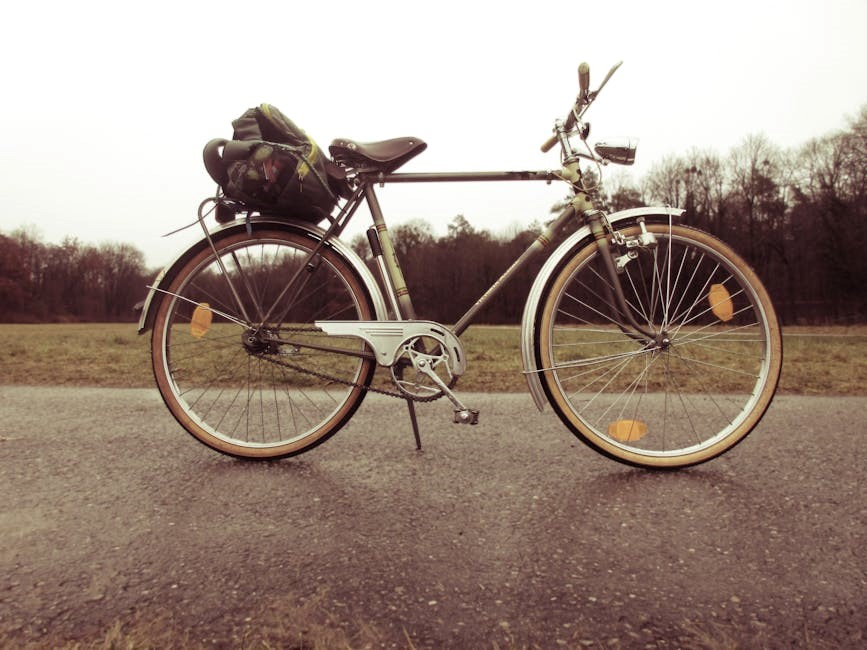
Germany presents a fantastic landscape for self-guided cycling tours, particularly renowned for its extensive network of river paths and long-distance trails. These routes offer diverse scenery, ranging from the Rhine and Danube rivers to picturesque countryside and historic towns. The well-maintained paths cater to various fitness levels, providing options for both leisurely rides and challenging adventures.
Germany’s commitment to cycling tourism is evident in the quality of its infrastructure and the availability of support services. Whether seeking a short weekend escape or an extended cross-country journey, Germany delivers memorable cycling experiences.
Italy: Cultural Cycling & Luxury Tours
Italy stands out as a premier destination for cultural cycling and luxury tours, recently recognized with a Luxury Lifestyle Award. Self-guided tours allow exploration of iconic regions like Emilia Romagna, famed for its culinary delights, and Tuscany’s rolling hills. These routes blend historical sites, artistic treasures, and gastronomic experiences.
The “Ancient Venetian Empire by Bike” tour exemplifies Italy’s appeal, combining cycling with visits to Slovenia and Croatia. Italy caters to discerning travelers seeking high-end accommodations and curated experiences alongside their cycling adventures, offering a unique blend of activity and indulgence.
France: Loire Valley & Provençal Routes
France presents captivating self-guided cycling options, notably in the Loire Valley and Provence. The “Loire in Luxury” tour showcases magnificent châteaux and vineyards, offering a refined cycling experience. Provençal Discovery tours immerse cyclists in lavender fields, charming villages, and the region’s distinctive cuisine.
These routes cater to various preferences, from leisurely rides along the Loire River to more challenging climbs in Provence. France’s well-developed tourism infrastructure ensures comfortable accommodations and convenient access to local attractions, making it ideal for independent exploration by bicycle.
Slovenia: A Bike-Friendly Destination
Slovenia consistently ranks as one of Europe’s most bike-friendly countries, offering diverse landscapes perfect for cycling holidays. Its commitment to sustainable tourism and well-maintained cycling infrastructure make it exceptionally appealing for self-guided tours. The “Tour of Slovenia” aims to showcase the nation’s best features to visitors on two wheels.
Cyclists can explore stunning alpine scenery, picturesque vineyards, and charming coastal paths. Slovenia’s compact size allows for varied itineraries, easily combining mountains, lakes, and the Adriatic coast within a single trip, providing an unforgettable experience.
Top Rated Self-Guided Cycling Tours
Europe boasts a wealth of highly-rated self-guided cycling tours catering to diverse preferences. The “Ancient Venetian Empire by Bike” – spanning Italy, Slovenia, and Croatia – offers a historical and scenic journey. “Highlights of the Rioja” in Spain provides a delightful exploration of vineyards and cultural landscapes. For pilgrims and cycling enthusiasts, the “French Way of St. James” (France & Spain) is a classic route.
These tours consistently receive positive feedback for their well-planned routes, quality accommodations, and immersive experiences, allowing travelers to discover Europe at their own pace.
Ancient Venetian Empire by Bike (Italy, Slovenia, Croatia)
This exceptional self-guided tour delves into the rich history and stunning landscapes of the former Venetian Empire. Cyclists traverse Italy, Slovenia, and Croatia, experiencing diverse cultures and breathtaking coastal scenery. The route typically includes charming towns, historic cities like Venice and Dubrovnik, and picturesque islands.
Expect well-maintained cycling paths, comfortable accommodations, and opportunities to savor local cuisine. This tour is consistently ranked among Europe’s best, offering a unique blend of history, culture, and active exploration, ideal for those seeking an immersive experience.
Highlights of the Rioja (Spain)
Embark on a captivating self-guided cycling journey through the renowned Rioja wine region of Spain. This tour showcases rolling vineyards, medieval villages, and the heart of Spanish wine culture. Cyclists enjoy leisurely rides between bodegas, indulging in wine tastings and experiencing the region’s culinary delights.
The route is designed to be accessible, offering a blend of gentle slopes and flat stretches. Expect comfortable accommodations, often in charming rural hotels, and the opportunity to immerse yourself in the local lifestyle. It’s a fantastic choice for wine lovers and those seeking a relaxed pace.
French Way of St. James (France & Spain)
Experience a profoundly rewarding self-guided cycling pilgrimage along the historic French Way of St. James, traversing both France and Spain. This iconic route offers a unique blend of physical challenge, cultural immersion, and spiritual reflection. Pedal through picturesque landscapes, charming villages, and bustling cities, following in the footsteps of centuries of pilgrims.
The tour provides a well-supported experience, with pre-booked accommodations and luggage transfer services. Expect a moderate level of difficulty, with varied terrain and some challenging climbs. It’s an unforgettable journey for those seeking adventure and a deeper connection to history and faith.
Planning Your Self-Guided Tour
Meticulous planning is crucial for a successful self-guided cycling tour. Begin with careful route selection, considering your fitness level and desired difficulty. Options range from leisurely river paths to challenging mountain trails. Secure accommodation in advance – hotels, guesthouses, or campsites – based on your budget and preferences.
Don’t underestimate the value of luggage transfer services, allowing you to cycle unburdened. Research and book these services early, especially during peak season. Detailed maps, GPS devices, and cycling apps are essential for navigation. Prioritize safety by ensuring your bike is well-maintained and you have appropriate gear.
Route Selection & Difficulty Levels
Choosing the right route is paramount for an enjoyable experience. Consider the terrain – flat paths like those in the Netherlands are ideal for beginners, while mountainous regions demand greater fitness. River paths, such as along the Danube or Rhine, offer gentler gradients and scenic views. Long-distance trails, like the French Way of St. James, present a significant challenge.
Difficulty levels vary greatly. Some tours prioritize cultural immersion, with shorter daily distances, while others focus on endurance, covering substantial kilometers. Assess your cycling experience honestly and select a route that matches your capabilities. Remember to factor in potential headwinds and elevation gains.
Accommodation Options (Hotels, Guesthouses, Camping)
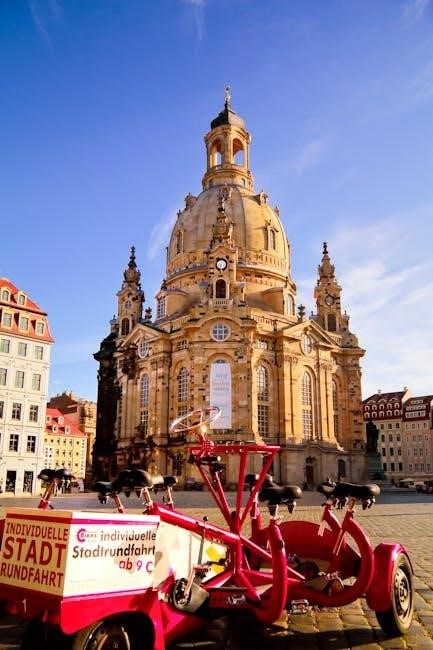
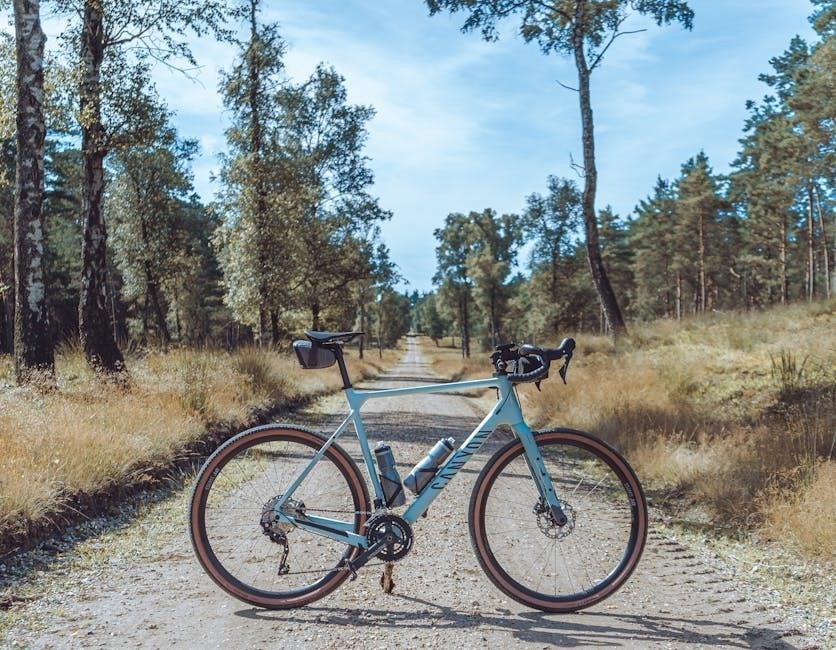
Self-guided tours offer diverse lodging choices to suit every budget and preference. Charming guesthouses and boutique hotels provide comfort and local flavor, often pre-booked as part of tour packages. For a more immersive experience, consider family-run agriturismi in Italy or Provençal farm stays in France. Hotels range from budget-friendly to luxurious, catering to varied tastes.
Camping is a cost-effective option, particularly popular along river routes. Many campsites offer facilities for cyclists, including secure bike storage. Pre-booking is recommended, especially during peak season. The flexibility to choose your accommodation adds a personal touch to your European cycling adventure.
Luggage Transfer Services
A key benefit of self-guided tours is the convenience of luggage transfer services. These services transport your bags between accommodations, allowing you to cycle with only essential items. Several companies specialize in this, offering reliable and efficient transport throughout Europe. Pre-booking is essential, specifying your itinerary and luggage weight limits.
This service eliminates the burden of heavy panniers, enhancing your cycling enjoyment. Costs vary depending on distance and weight, but the added comfort is often worthwhile. Consider the number of bags and potential extra charges for oversized items when budgeting. Enjoy the freedom of a lighter ride!
Essential Gear & Preparation
Proper preparation is crucial for a successful self-guided cycling tour. Beyond a well-maintained bicycle, consider essential gear like a helmet, repair kit (pump, spare tubes, multi-tool), and appropriate cycling clothing for varied weather conditions. Navigation tools are vital – GPS devices, smartphone apps (Komoot), and detailed maps ensure you stay on course.
Prioritize comfortable cycling shorts, breathable layers, and waterproof outerwear. Don’t forget sunglasses, sunscreen, and a first-aid kit. Familiarize yourself with basic bike maintenance before departure. Thorough planning and packing will contribute significantly to a smooth and enjoyable European cycling adventure.
Bicycle Choice & Maintenance
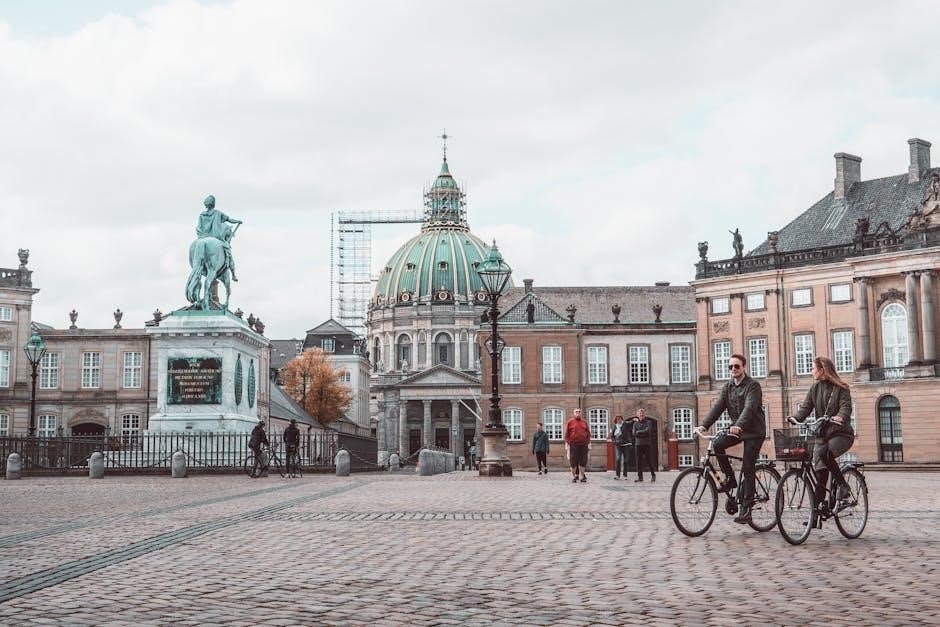
Selecting the right bicycle is paramount for a comfortable tour. Hybrid bikes are versatile for mixed terrain, while touring bikes excel with luggage. E-bikes offer assistance on challenging routes, expanding accessibility. Prior to departure, a professional bike service is highly recommended – check brakes, gears, tires, and chain.
Carry essential repair tools: a pump, spare tubes, tire levers, a multi-tool, and a chain tool. Learn basic maintenance like fixing a flat tire and adjusting brakes. Regular cleaning and lubrication during your tour will prevent issues and ensure a smooth, enjoyable cycling experience throughout Europe.
Navigation Tools (GPS, Maps, Apps)
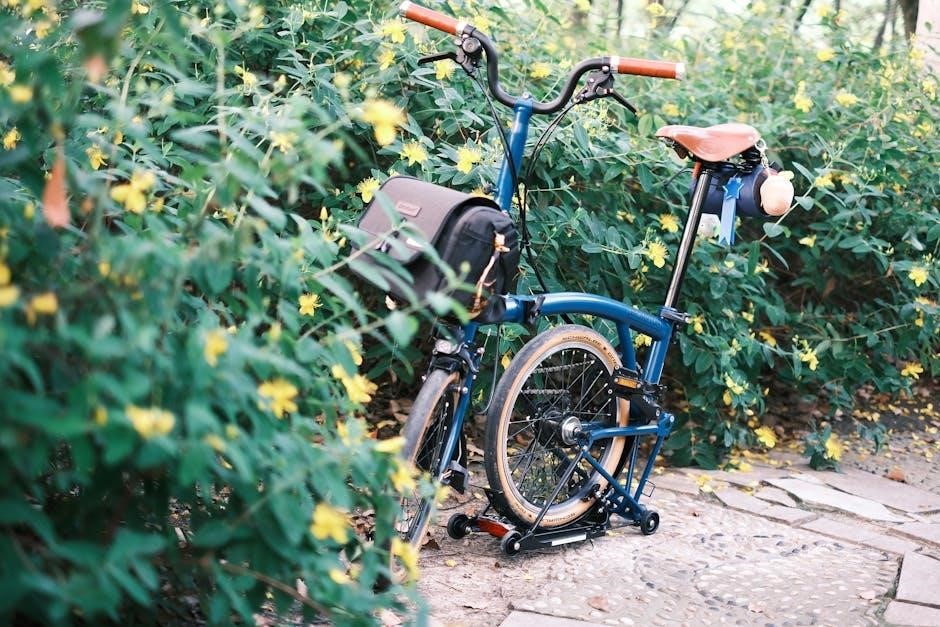
Reliable navigation is crucial for self-guided tours. A dedicated GPS device pre-loaded with your route provides turn-by-turn guidance, even without mobile signal. Complement this with detailed paper maps as a backup – essential for overview and contingency planning. Smartphone apps like Komoot are invaluable, offering offline maps, route planning, and community-sourced information.
Ensure your devices are fully charged or have portable power banks. Familiarize yourself with the app’s interface before departure. Downloading offline maps prevents data roaming charges and ensures navigation in areas with limited connectivity. Combining these tools offers redundancy and peace of mind on your European cycling adventure.
Clothing & Safety Equipment
Pack versatile cycling clothing suitable for varied weather conditions. Layering is key – base layers, insulating mid-layers, and a waterproof outer shell are essential. Padded cycling shorts are vital for comfort on long rides. Don’t forget comfortable cycling gloves and socks to prevent blisters.
Safety first! A well-fitting helmet is non-negotiable. Bring a repair kit including a pump, spare tubes, tire levers, and multi-tool. High-visibility clothing, front and rear lights, and a reflective vest enhance visibility. Consider a first-aid kit for minor injuries. Prioritize your well-being throughout your European cycling journey.
Key Cycling Routes in Europe
Europe boasts an extensive network of cycling routes catering to all levels. The Alpe-Adria Cycle Route, traversing Austria and Italy, is a popular choice, renowned for its stunning alpine scenery. The EuroVelo routes offer a comprehensive system of long-distance paths, connecting countries and cultures.
Explore diverse landscapes, from the rolling hills of Tuscany to the coastal paths of the Netherlands. These routes provide well-maintained paths and clear signage, making self-guided tours accessible. Discover hidden gems and iconic landmarks while enjoying the freedom of two wheels. Plan your adventure along these celebrated European cycling corridors.
Alpe-Adria Cycle Route (Austria, Italy)
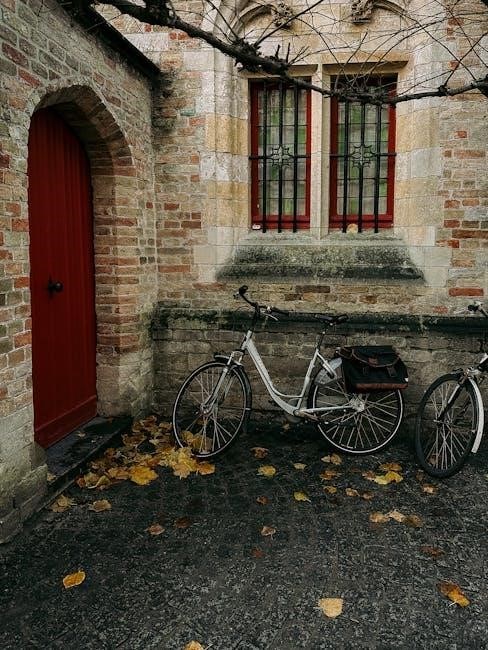
The Alpe-Adria Cycle Route, also known as the Alpe-Adria Radweg, is consistently ranked among Europe’s most popular cycling paths. Beginning in Salzburg, Austria, it winds southward through stunning alpine landscapes and picturesque Italian countryside, ultimately reaching Grado on the Adriatic Sea.
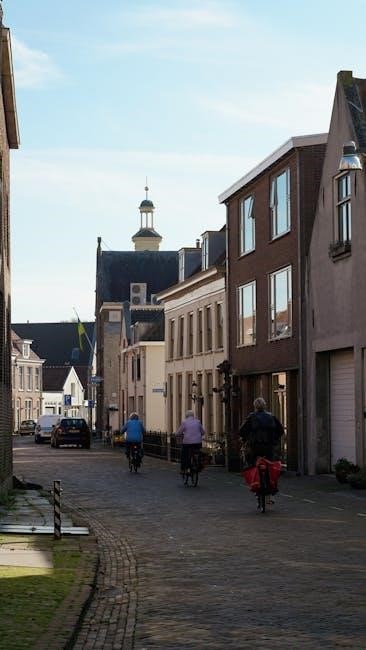
This well-maintained route offers a diverse experience, combining challenging climbs with rewarding descents and tranquil valley stretches. It’s ideal for intermediate cyclists seeking a multi-day adventure. Expect charming towns, delicious regional cuisine, and breathtaking views. The Alpe-Adria route truly embodies the spirit of European cycling.
EuroVelo Routes: A Network of Long-Distance Paths
EuroVelo is a project by the European Cyclists’ Federation, creating a network of 17 long-distance cycle routes across Europe. These routes, totaling over 90,000 kilometers, are designed for both recreational and touring cyclists, offering a fantastic framework for self-guided adventures.
Routes vary in terrain and difficulty, catering to all levels of experience. Signposting is generally excellent, making navigation straightforward. Popular options include the EuroVelo 6 (Atlantic Coast Route) and EuroVelo 7 (Sun Route). Utilizing EuroVelo provides a pre-planned, well-supported infrastructure for unforgettable cycling holidays.
Budgeting for Your Trip
Budgeting for a self-guided cycling tour requires careful consideration. Accommodation costs vary greatly, from budget-friendly camping to luxurious hotels, impacting the overall expense. Food costs depend on dining choices – self-catering saves money. Bike rental, if needed, adds to the budget, typically ranging from €15-€30 per day.
Factor in luggage transfer services (around €8-€15 per bag per day) and potential repair costs. A realistic daily budget, excluding travel to/from Europe, could range from €70 to €150+, depending on your preferences and chosen level of comfort.
Cost Breakdown (Accommodation, Food, Bike Rental)
Accommodation typically represents 30-40% of your budget, ranging from €30 for camping to €100+ for hotels. Food costs can be minimized by utilizing local markets and preparing meals, estimating around €20-€40 daily. Bike rental, if required, averages €15-€30 per day for a quality touring bike.
Luggage transfers add roughly €8-€15 per bag, per day. Allow for incidental expenses like snacks, drinks, and entrance fees. A detailed spreadsheet tracking these costs is highly recommended for accurate budgeting during your self-guided European cycling adventure.
Tips for Saving Money
Travel during the shoulder seasons (spring or fall) for lower accommodation rates and fewer crowds. Consider a mix of accommodation types – camping, guesthouses, and budget hotels – to reduce overall costs. Pack your own snacks and utilize local supermarkets instead of relying on tourist-trap restaurants.
Look for free activities and attractions along your route. Utilize public transport for shorter distances instead of taxis. Pre-booking accommodations and bike rentals can often secure discounts. Embrace picnicking and self-catering to significantly lower food expenses during your European cycling tour.